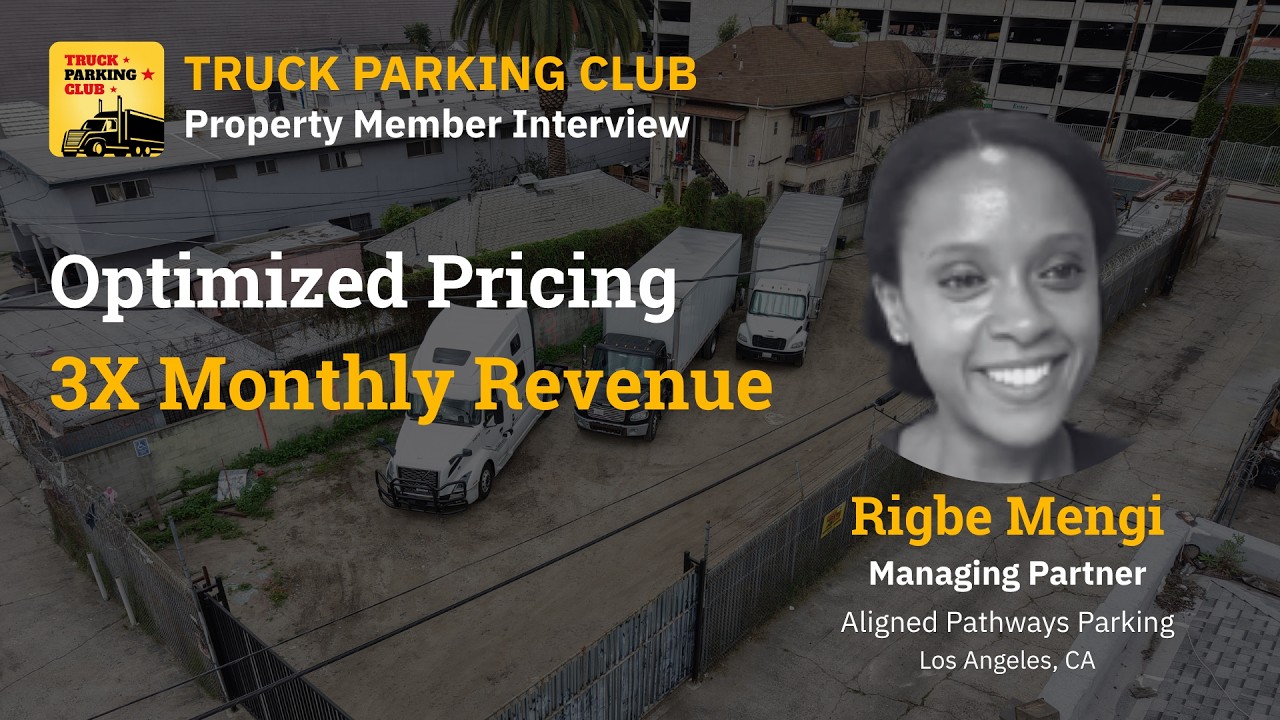
Sub-$1K to $3K+ monthly — Optimized Pricing tripled revenue on a 0.19-acre Central LA yard
“Pricing is that sensitive spot, and you can't know it on your own. Truck Parking Club put my lot on the map.”
Read case study →The U.S. faces a 1.7 million-space truck parking shortage — and demand keeps rising. Before you buy a lot, understand what actually drives returns.
Investors and operators searching for truck parking lots for sale are betting on a simple thesis: trucks need somewhere to park, and there aren't enough spaces. That thesis holds — but only if you can keep the lot full.
3.5 million CDL drivers and a nationwide parking shortage mean drivers actively search for spaces every day.
New supply is slow to come online — building a space can cost $100K–$200K per spot.
Add spaces, raise rates, or layer in trailer storage as demand grows at your location.
A lot with proven occupancy and cash flow commands a premium when you sell or refinance.
The catch: A truck parking lot earns nothing when it's empty. Buying the land is the easy part — filling it is the business. Most owners get the location right and never solve demand.
If you're actively shopping, listings typically appear in a few places:
Listings concentrate in freight-heavy markets — Texas, California, Illinois, New Jersey, and Florida — where port access, distribution corridors, and carrier density drive parking demand.
We're not a broker and don't sell lots. But if you're evaluating a purchase — or already own land — it's worth knowing what that space could earn before you close.
Buying an existing lot means land or improved-property price plus due diligence — environmental, zoning, and access review. That's a known, one-time number you can underwrite.
Building from raw land adds grading, paving, drainage, lighting, fencing, gating, and signage on top of acquisition cost. These are capital expenses with clear line items — but they don't guarantee occupancy once you're open.
The variable that decides whether your investment pays off isn't construction cost. It's whether drivers show up and keep spaces booked month after month.
Truck parking profitability comes down to a straightforward equation: demand × occupancy × rate − operating cost.
Lots in high-demand corridors with strong occupancy and competitive rates can generate a few hundred to several thousand per month depending on location, size, and space count. Property members on Truck Parking Club typically keep 70–80% of revenue (depending on number of locations and spaces), with daily payouts.
But an empty lot — or one stuck at 30% occupancy because nobody knows it exists — bleeds money on taxes, insurance, maintenance, and debt service. Most owners nail location and never solve the demand problem. That's where a marketplace with existing driver traffic changes the math.
Every property is different. Here's what actually drives returns — and what real Property Members are seeing.
Proximity to ports, distribution corridors, and carrier routes determines how often drivers search near you.
More spots mean more revenue potential — but only if demand exists to fill them consistently.
Gated access, lighting, paved surfaces, and security features support higher rates and occupancy.
Markets with chronic parking shortages fill faster. Empty corridors stay empty regardless of lot quality.
Property Members keep 70–80% of revenue (depending on number of locations and spaces), get paid daily, and earn a few hundred to several thousand per month depending on location, size, and space count.
Sub-$1K to $3K+ monthly — Optimized Pricing tripled revenue on a 0.19-acre Central LA yard
“Pricing is that sensitive spot, and you can't know it on your own. Truck Parking Club put my lot on the map.”
Read case study →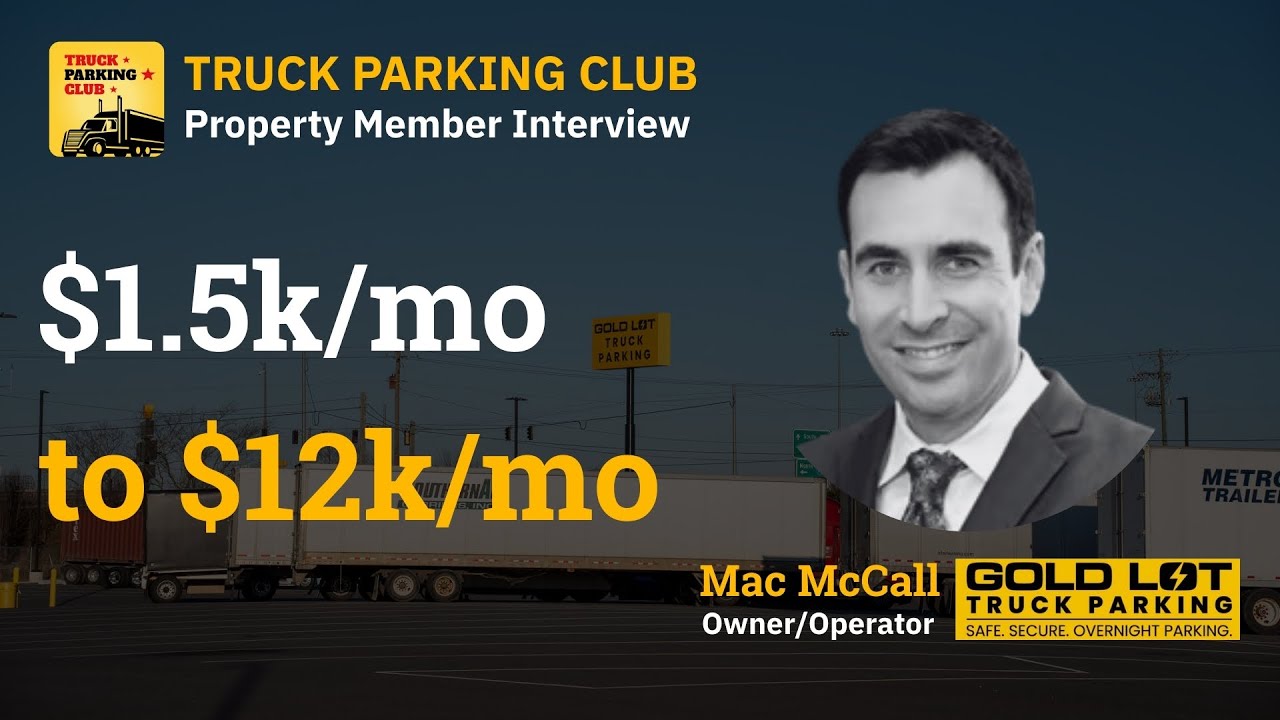
35 → 89 monthly bookings in four months
“Truck Parking Club has such a far reach. We continue to see revenue increase because the word gets out.”
Read case study →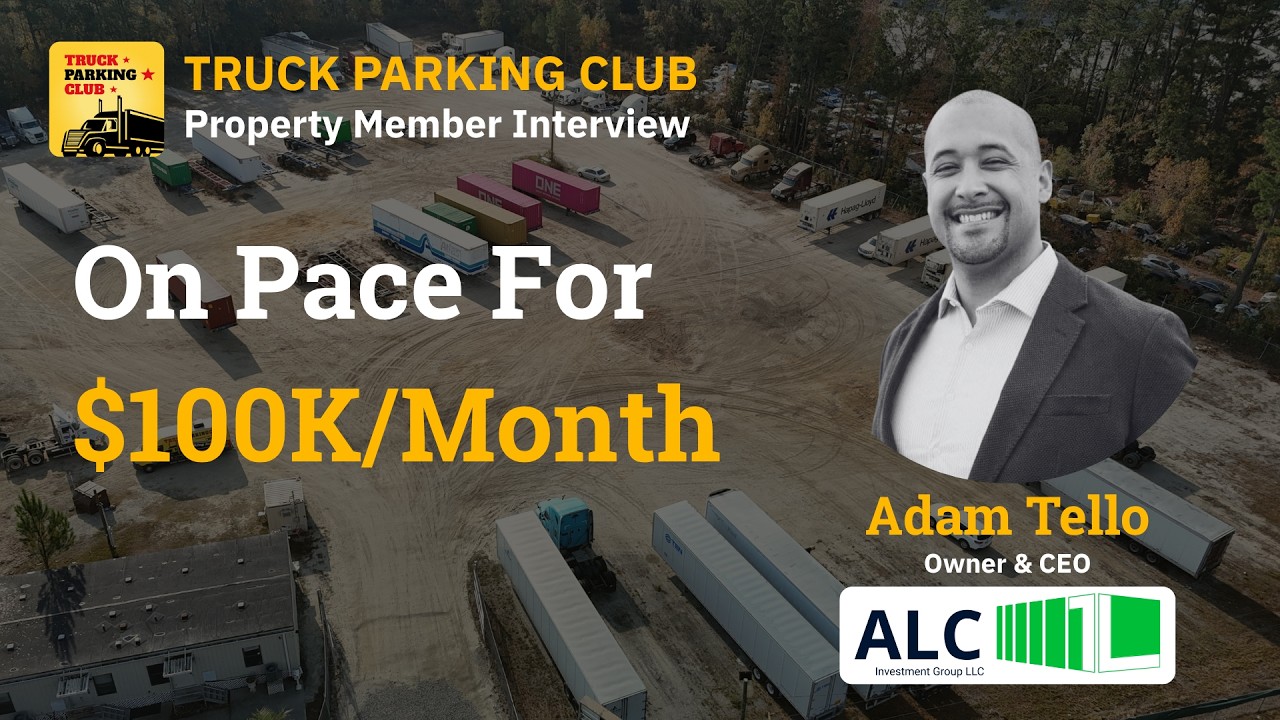
1 yard to 7 locations — fleet deals and daily bookings at scale
“We started off with a onesie twozie booking and now we're getting fleet deals. I get text messages every single day — new booking, new booking, new booking.”
Read case study →Buying or building gets you a lot. Operating it profitably is a different business entirely — and it's where most DIY owners stall.
SEO, paid ads, cold-calling fleets, and broker relationships — all ongoing, all expensive, all competitive.
Handling reservations, no-shows, chargebacks, and collections — often at 2 a.m. when a driver is stuck.
Drivers arrive on unpredictable schedules. Someone has to grant access — or automate it — around the clock.
Insurance, incident response, and damage claims add operational burden and financial risk to every space.
Already own land? List it on Truck Parking Club and start earning with zero acquisition cost. No lot purchase required.
Buying anyway? Make your lot profitable from day one by listing on our marketplace. We handle the operational burden so you focus on the asset:
Explore active truck parking markets where drivers search and book every day — and where a lot for sale may face the strongest occupancy tailwinds.
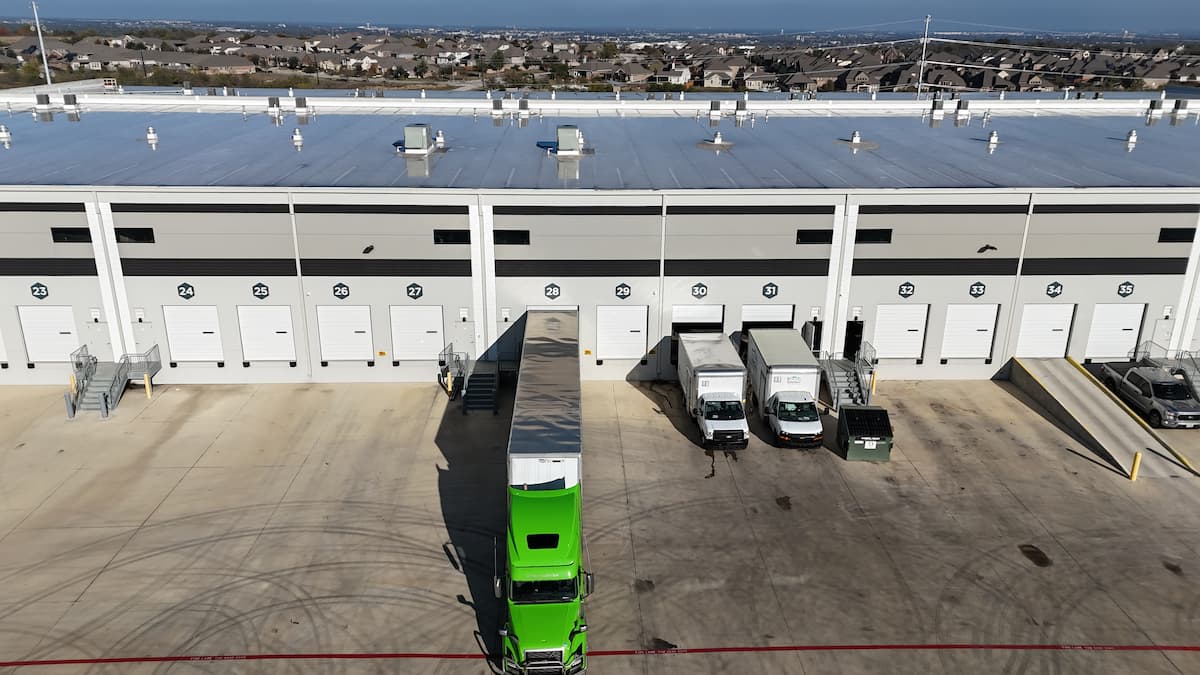
Major crossroads for freight moving through the South and Midwest.
View Dallas parking →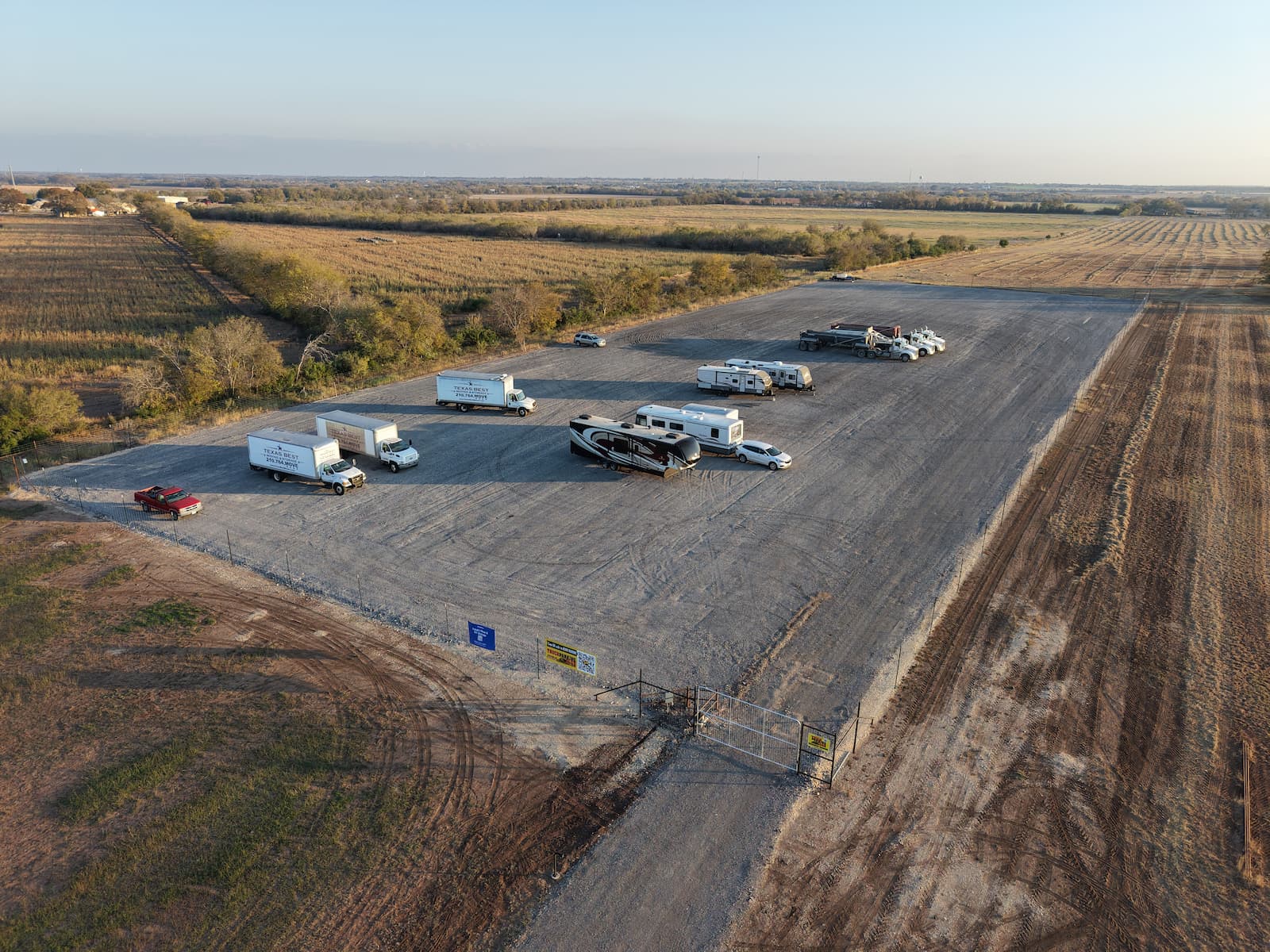
Port-adjacent demand and one of the nation's busiest logistics hubs.
View Houston parking →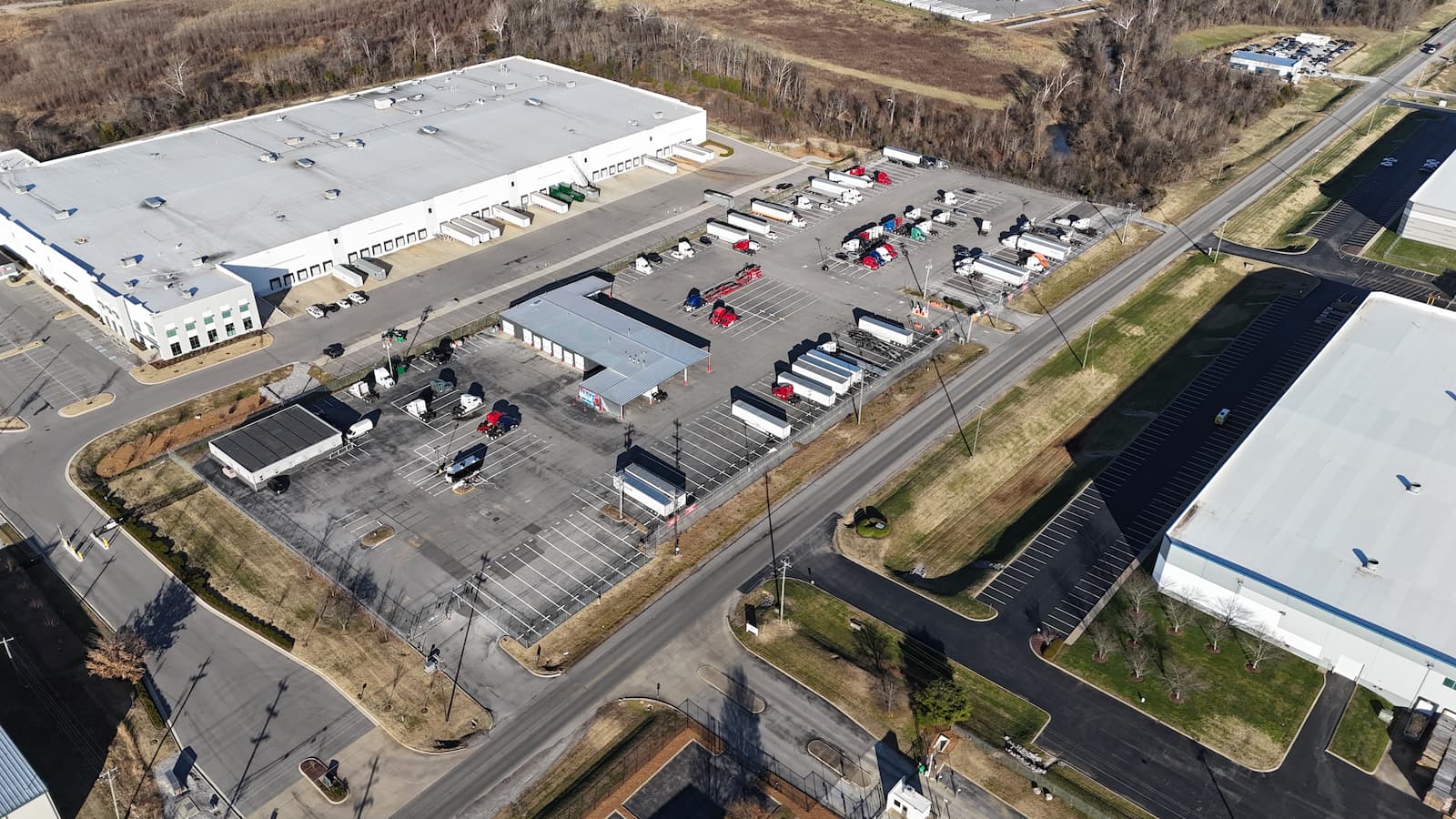
Port drayage and Inland Empire distribution drive chronic space shortages.
View LA parking →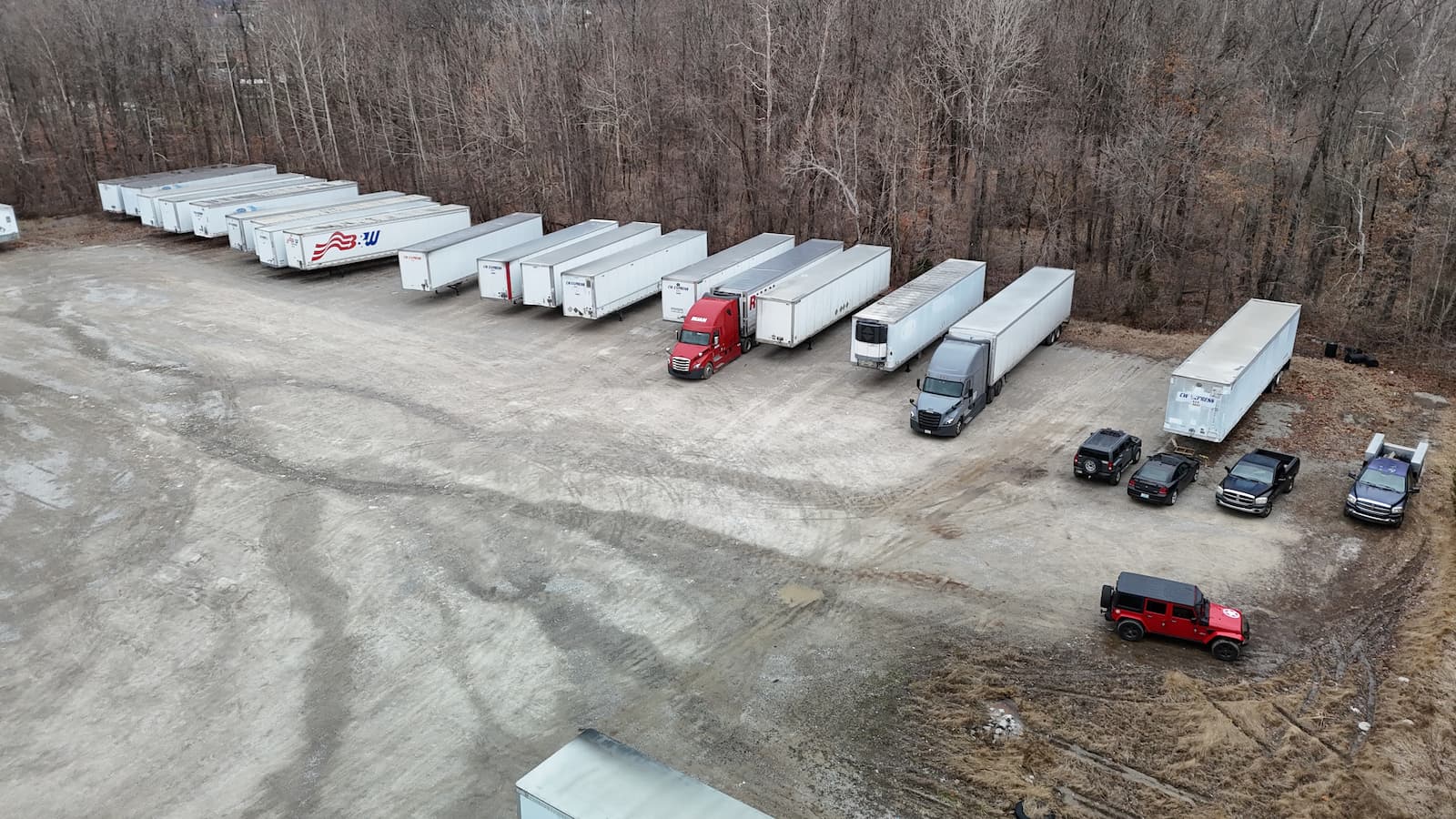
Rail intermodal and Midwest distribution create year-round parking pressure.
View Chicago parking →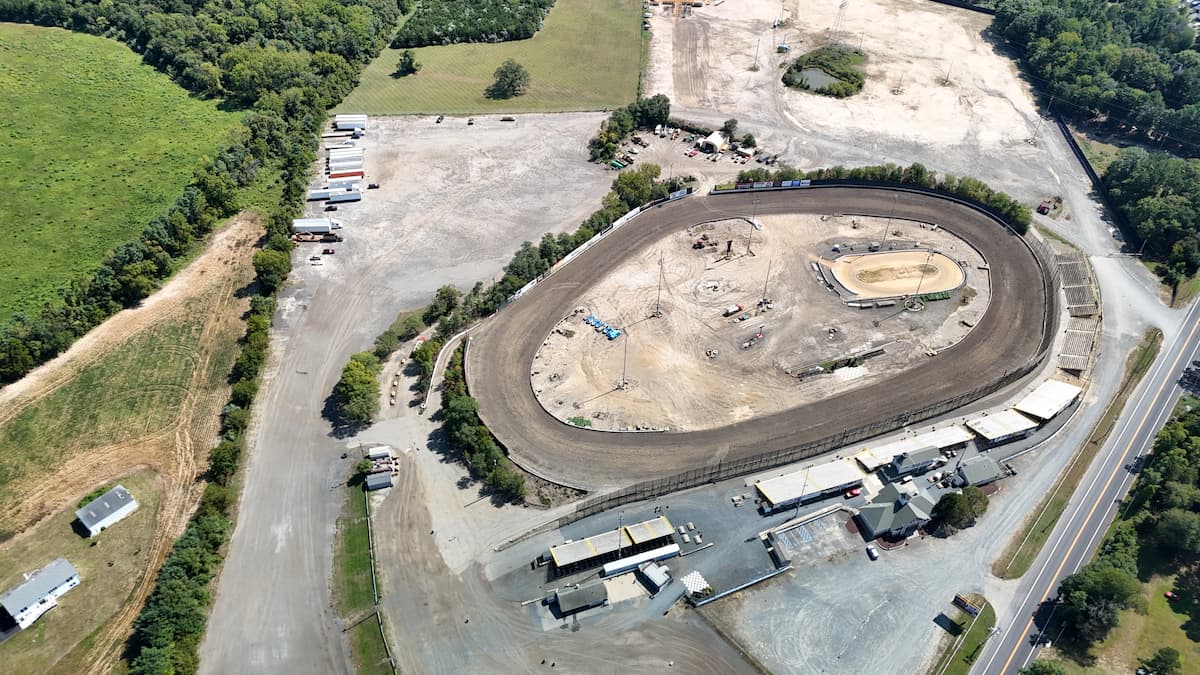
Port NJ and Northeast corridor freight keep spaces in high demand.
View Newark parking →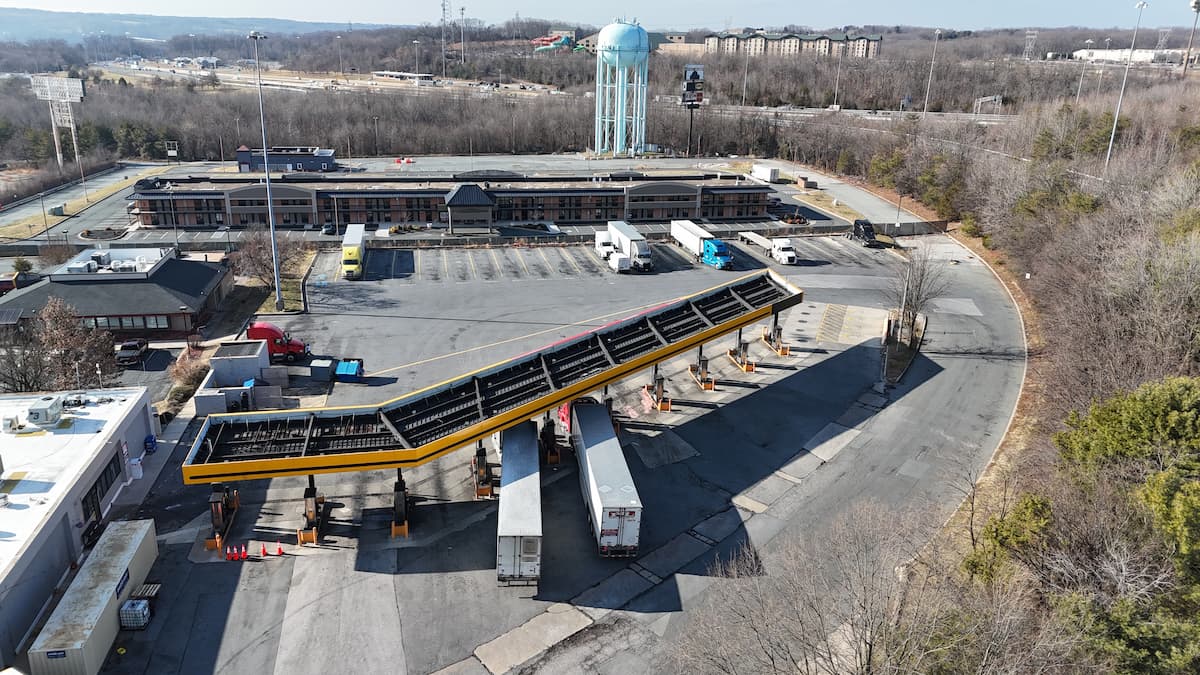
Southeast gateway with growing industrial and port-related parking needs.
View Jacksonville parking →Whether you're evaluating a purchase or already own land, we'll show you what your market can support — and how to fill spaces from day one.
Get started for free